Sies + Höke

Poststr. 2 & 3
40213 Düsseldorf
Orangeriestr. 6
40213 Düsseldorf
Mo–Fr: 10–18:30 Uhr
T +49 (0) 211-301 43 60
F +49 (0) 211-30 14 36 29
Exhibitions
Selected Citizens
Paul Hutchinson
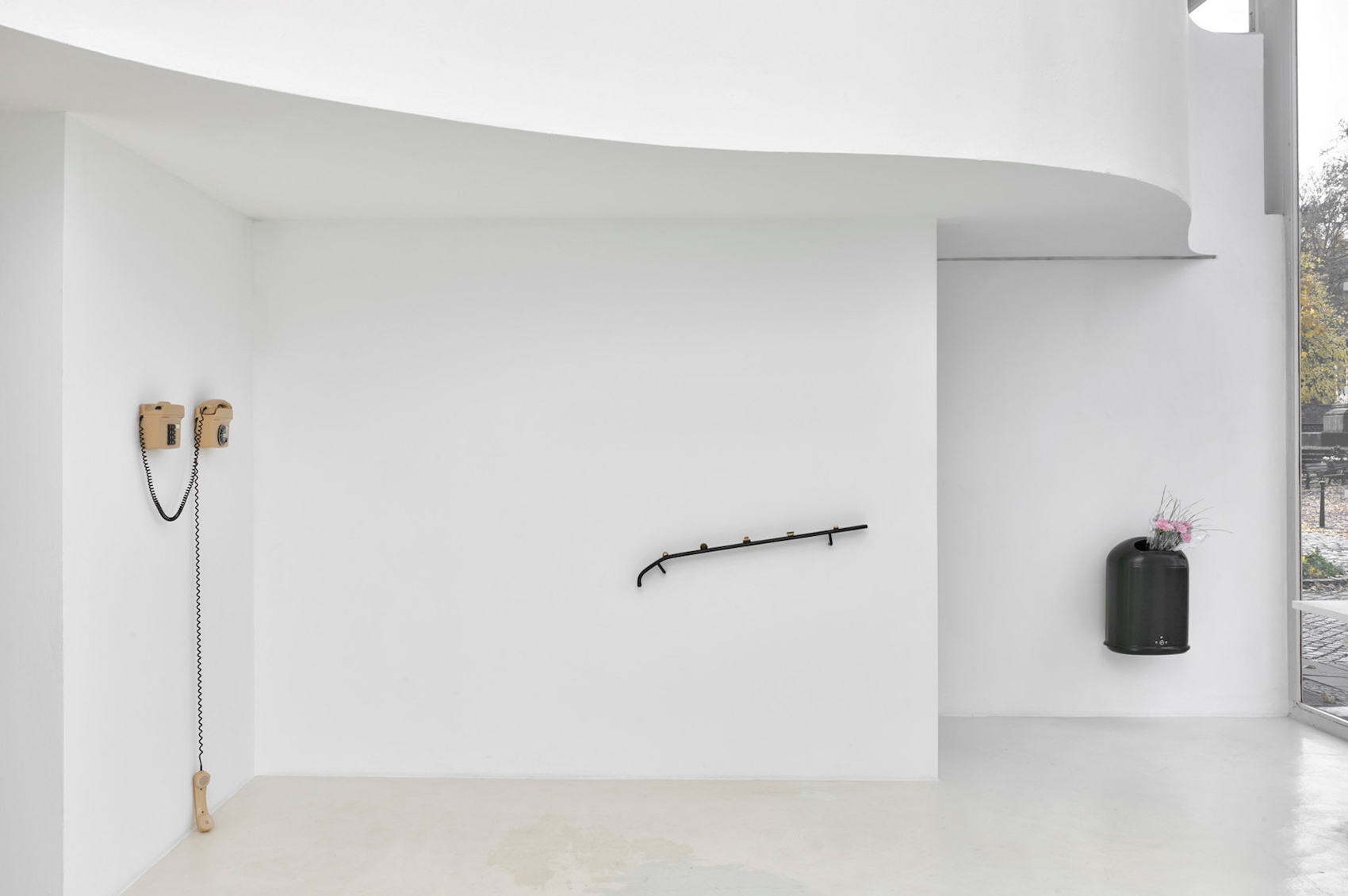
Info: Graffiti reading Stadt für Alle stretches across a chimney in large white letters. City for all is the phrase visible from Paul Hutchinson’s Berlin studio window that he encounters almost daily, almost ritualistically. And yet it remains aspirational, suspended between declaration and reality. What does it mean for a city to belong to everyone? It is a promise that suggests universality compared to a lived experience that suggests otherwise. Because, indeed, some citizens are worth more than others. In The Right to the City (1968), French philosopher and sociologist Henri Lefebvre argues that urban space should not be governed by market logic alone – not reduced to a commodity, not carved into exclusive zones of access and ownership – but should be shaped by those who inhabit it. Instead, today’s urban life has increasingly been downgraded into a product with aestheticized governance and uprooted social interaction. The promise remains universal, but the reality is selective. Paul Hutchinson’s Selected Citizens unfolds inside this contradiction. The exhibition marks a thematic continuation of his practice, which has long circled the phenomena of contemporary urban life: social mobility, the oscillation between intimacy and exposure, fragility and inner-city roughness, personal vision and collective structure. (…)
Interiors
Paula Allhorn
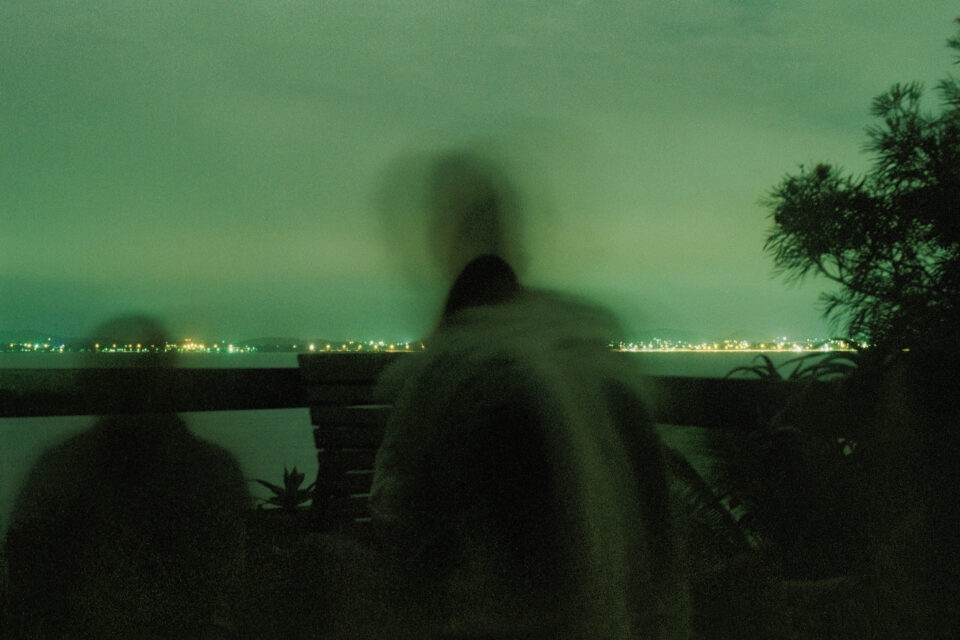
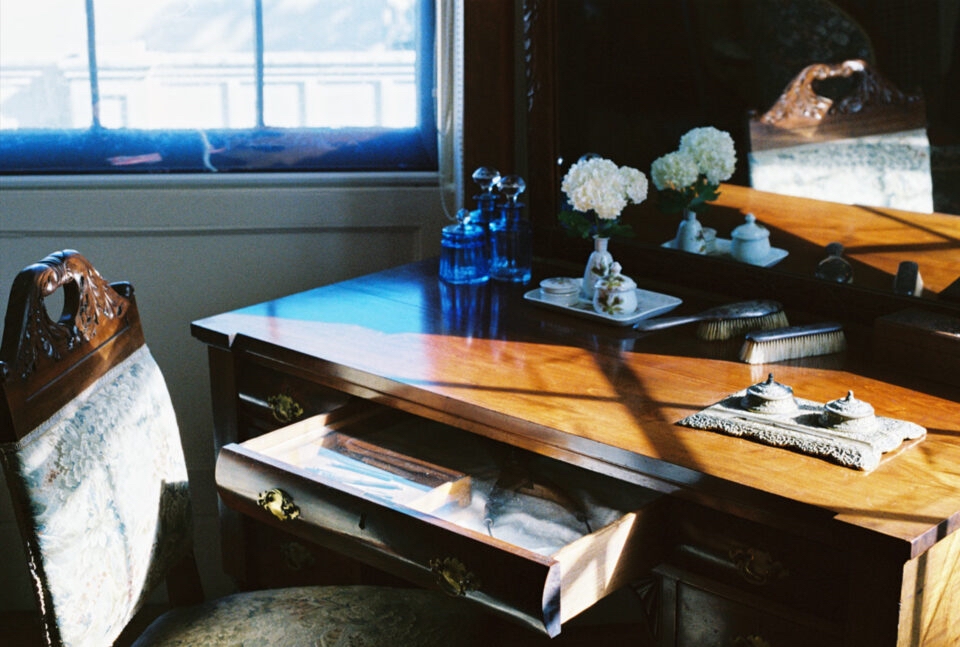
Info: I happened to go to Savannah because my boyfriend was working at a film festival there. I spent days taking long and methodical walks around the small city. It is an unusually well-preserved city for American standards. If you are attentive, the whole history of the United States will be laid out visually before your eyes. The city of Savannah flourished during the transition from Mercantile to Industrial Capitalism as men from all kinds of places arrived there and made their fortunes through the production and export of cotton and rice. As a port city, Savannah served as a transloading site in which these goods were produced on the nearby plantations and sent to Europe or the nothern states. Early industrialists built themselves large, magnificent houses, but not necessarily in order to live in them. The houses were only inhabited a quarter of the year to keep buisness under control; they carried a symbolic value which created respect among the working men left behind. For the rest of the year, they resided in places which were more culturally flourishing or less plagued by heat. The profitable plantation economy of the American south was built on the labor of people who were robbed of their homelands and deprived of their rights. This system collapsed after the Civil War was lost. As a result, the South went financially bankrupt and lost its economic relavance. Subsequently the wealthy plantation and mansion owners left the region for more lucrative locations. (…) Location: Caprii by Sies + Höke, Orangeriestr. 6, 40213 Düsseldorf.
Events
Selected Citizens
Paul Hutchinson
Info: Graffiti reading Stadt für Alle stretches across a chimney in large white letters. City for all is the phrase visible from Paul Hutchinson’s Berlin studio window that he encounters almost daily, almost ritualistically. And yet it remains aspirational, suspended between declaration and reality. What does it mean for a city to belong to everyone? It is a promise that suggests universality compared to a lived experience that suggests otherwise. Because, indeed, some citizens are worth more than others. In The Right to the City (1968), French philosopher and sociologist Henri Lefebvre argues that urban space should not be governed by market logic alone – not reduced to a commodity, not carved into exclusive zones of access and ownership – but should be shaped by those who inhabit it. Instead, today’s urban life has increasingly been downgraded into a product with aestheticized governance and uprooted social interaction. The promise remains universal, but the reality is selective. Paul Hutchinson’s Selected Citizens unfolds inside this contradiction. The exhibition marks a thematic continuation of his practice, which has long circled the phenomena of contemporary urban life: social mobility, the oscillation between intimacy and exposure, fragility and inner-city roughness, personal vision and collective structure. (…) Parallel eröffnet die Ausstellung Paula Allhorn. Interiors bei Caprii by Sies + Höke, Orangeriestr. 6, 40213 Düsseldorf.
Interiors
Paula Allhorn
Info: I happened to go to Savannah because my boyfriend was working at a film festival there. I spent days taking long and methodical walks around the small city. It is an unusually well-preserved city for American standards. If you are attentive, the whole history of the United States will be laid out visually before your eyes. The city of Savannah flourished during the transition from Mercantile to Industrial Capitalism as men from all kinds of places arrived there and made their fortunes through the production and export of cotton and rice. As a port city, Savannah served as a transloading site in which these goods were produced on the nearby plantations and sent to Europe or the nothern states. Early industrialists built themselves large, magnificent houses, but not necessarily in order to live in them. The houses were only inhabited a quarter of the year to keep buisness under control; they carried a symbolic value which created respect among the working men left behind. For the rest of the year, they resided in places which were more culturally flourishing or less plagued by heat. The profitable plantation economy of the American south was built on the labor of people who were robbed of their homelands and deprived of their rights. This system collapsed after the Civil War was lost. As a result, the South went financially bankrupt and lost its economic relavance. Subsequently the wealthy plantation and mansion owners left the region for more lucrative locations. (…) Location: Caprii by Sies + Höke, Orangeriestr. 6, 40213 Düsseldorf / Parallel eröffnet die Ausstellung Paul Hutchinson. Selected Citizens bei Sies + Höke.