Galerie Khoshbakht

Jülicher Str. 24a
50674 Köln
Di–Fr: 12–18 Uhr
Sa: 12–16 Uhr
T +49 (0) 151-684 291 85
Exhibitions
UN/SAFE
Prateek Vijan
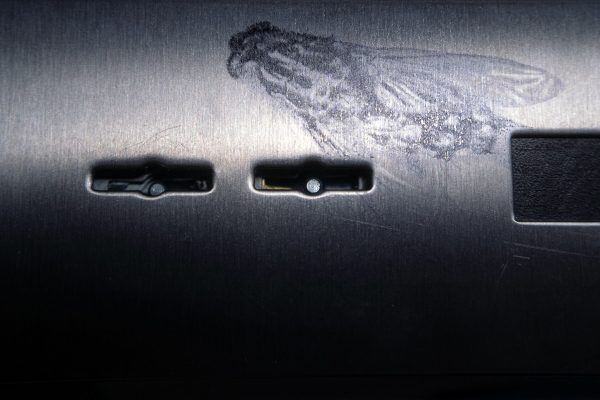
Info: We are thrilled to announce UN/SAFE, Prateek Vijan’s second solo exhibition at the gallery. Prateek Vijan’s second exhibition at Gallery Khoshbakht extends his engagement with histories of colonial looting, their entanglement with the Western museum, and British anti-restitution laws. UN/SAFE features a series of discarded vault doors—objects commonly used to secure precious private property—which serve as carriers for Vijan’s imprinted photographic notes. In the first room, a single fragmented image of a book collection centered on crime stretches across gleaming metal surfaces. Within Vijan’s critical yet poetic examination of legal constructs, this juxtaposition gestures toward the complex relationships between wealth, power, and knowledge production, as well as issues around legality, accountability, and crime. In the second room, fleeting images of locking mechanisms—essential components of the vaults—reappear on the slim metal doors as targets to be dismantled. They weave together Vijan’s research into institutional security infrastructures, lock-picking practices, and key-duplication machines. The aesthetic of technical precision is punctuated by repeating symbols, sketches, and photographs of animals, most frequently the image of a fly hovering silently over sterile stainless steel.
Events
UN/SAFE
Prateek Vijan
Info: We are thrilled to announce UN/SAFE, Prateek Vijan’s second solo exhibition at the gallery. Prateek Vijan’s second exhibition at Gallery Khoshbakht extends his engagement with histories of colonial looting, their entanglement with the Western museum, and British anti-restitution laws. UN/SAFE features a series of discarded vault doors—objects commonly used to secure precious private property—which serve as carriers for Vijan’s imprinted photographic notes. In the first room, a single fragmented image of a book collection centered on crime stretches across gleaming metal surfaces. Within Vijan’s critical yet poetic examination of legal constructs, this juxtaposition gestures toward the complex relationships between wealth, power, and knowledge production, as well as issues around legality, accountability, and crime. In the second room, fleeting images of locking mechanisms—essential components of the vaults—reappear on the slim metal doors as targets to be dismantled. They weave together Vijan’s research into institutional security infrastructures, lock-picking practices, and key-duplication machines. The aesthetic of technical precision is punctuated by repeating symbols, sketches, and photographs of animals, most frequently the image of a fly hovering silently over sterile stainless steel.